
How-to library
Build the water record: a step-by-step list of photos, receipts and notes
An insurer, a landlord and a contractor ask the same questions about the water, and the answers come easiest from a record made while the room is still wet. Here is the order to build it in, using Georgia's insurance office guidance.
Eight steps in the order that works
- Make the area safeSwitch off power only from a dry spot, and leave water near electricity alone, as the CDC advises
- Take wide photosShoot the whole room from the doorway before moving anything
- Take close photos and a short videoShow the stain, the waterline, the source and any damaged items; Georgia's insurance office asks for images or recordings
- Write the order of eventsNote when the water was noticed, where it started and who was told, in plain words with dates
- Keep every receiptTemporary repairs, supplies and records of your time and expenses
- Keep damaged itemsThe adjuster may want to look at them
- Call the insurerFile as soon as possible, since a policy may set a deadline for notice
- Wait on permanent repairsGeorgia's insurance office warns a claim may be denied if they come before the damage is inspected
Photograph before anything moves
Georgia's insurance office advises that, if you can, you document the damage with images or recordings before making temporary repairs. A wide shot from the doorway shows the room; close shots show the stain, the waterline and the source.
Georgia's emergency agency makes a related point about the time before a disaster: photos or videos of the home record its condition.
Keep the receipts and the damaged items
The insurance office says auto and homeowners policies may require temporary repairs to prevent further damage, and it advises keeping the receipts for them, along with records of your time and expenses.
It also advises keeping damaged personal property so the adjuster can inspect it.
Tell the insurer, and know the deadline may be short
The office advises filing as soon as possible by calling your agent or your company's claims hotline, since a policy may set a deadline for notice. The office can be reached at (800) 656-2298 or (404) 656-2070.
Georgia's emergency agency states that flood damage sits outside a standard homeowners policy, and it points to FloodSmart for flood insurance.
Leave the lasting repairs until the damage has been seen
The insurance office cautions that a claim can be turned down when permanent repairs are finished before the damage has been inspected. It suggests estimating repair costs before meeting the adjuster, and requesting an itemized explanation if a settlement is offered.
Temporary steps, like moving dry items out of the room or catching drips, are the kind of work the receipts are for.
Know who owns which part of the plumbing
WSA's new-service packet says a customer assumes responsibility for water damage on the property, the inside of the dwelling included, once service starts. Its Report a Problem page makes the lines from the meter to the house the homeowner's.
That is useful to write down: which side the failure was on, and who said so.
Who needs the record first?
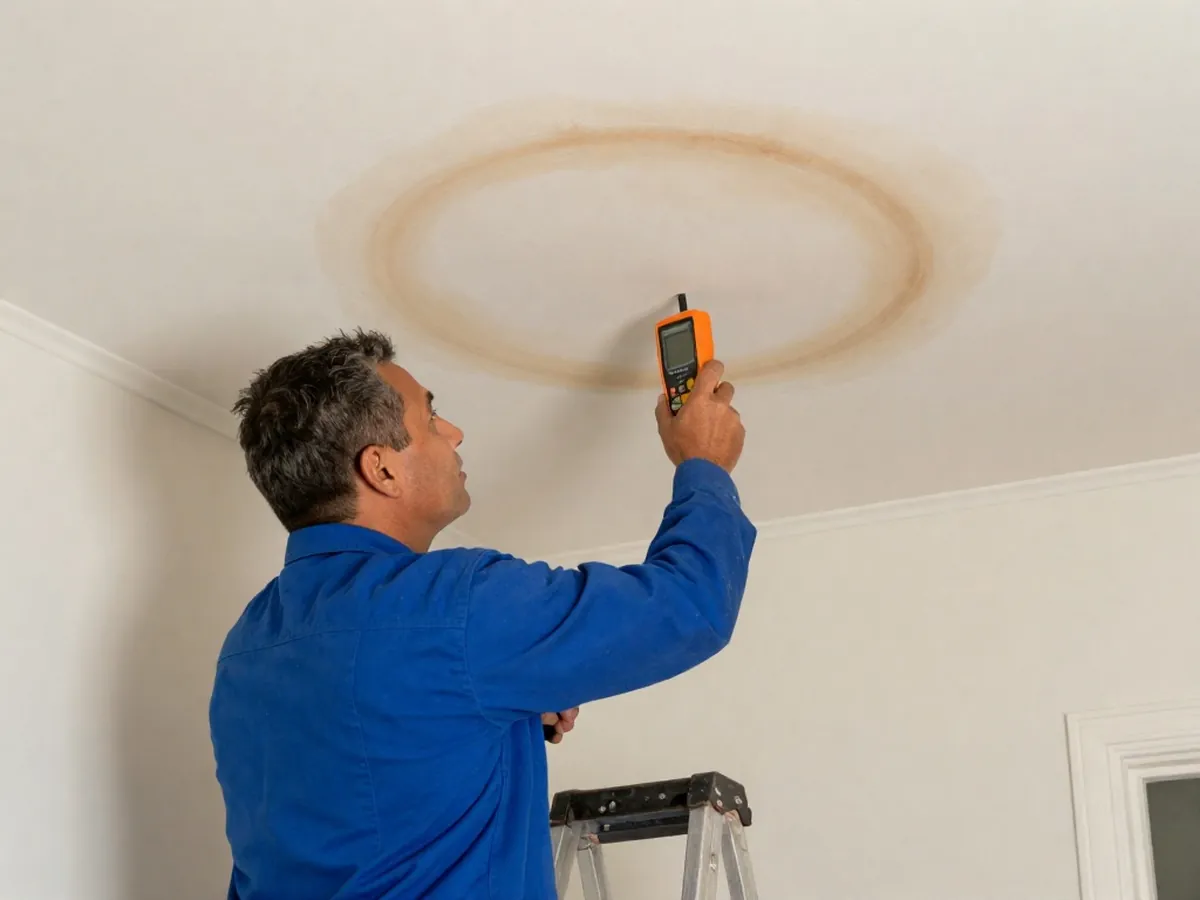
For a roof leak, rain through the roof explains the photographs to take before a tarp goes on. For a stain overhead, stained or dripping ceilings has the first look-overs.
Call (678) 940-9083, read out the dates and photos you have, and ask whether a contractor can take the job at your address.
Gather the street address, the name of the wet room and some phone photos. Renting? The landlord or property manager hears first. Then call (678) 940-9083 to ask if a contractor covers Lithia Springs, Douglasville or Winston.
Call (678) 940-9083